

🌿 Welcome to Your Personalized Garden Hub! 🌿

Special announcement go here

Dear Diane & Gerry, this is your space — a dedicated web page built just for your garden. Here, you can:
✔️ Track your garden’s progress through service reports
✔️ Explore expert articles on native gardening in Florida
✔️ Ask questions and get direct feedback from our team
✔️ Upload photos if something looks off — we’re here to help!

Your personal referral code is R255-21 — share the love and inspire others to garden with nature.

We’re always growing, so if there’s something else you’d like to see here, let us know. This page is for you.

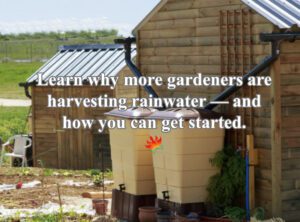
harvesting rainwater

Rainwater vs. Tap and Reclaimed Water

Why Rainwater Wins: Healthier Plants & Soil Beyond Conservation When most people think of rainwater harvesting, they think about saving money on their utility bill or “being green.” But there’s a far deeper benefit often overlooked: the biological and chemical magic of rainwater that directly supports your garden’s health from the roots up. Pure chemistry, pure results Unlike municipal (potable) water, which is treated with chlorine, chloramines, and sometimes fluoride to make
Read More »
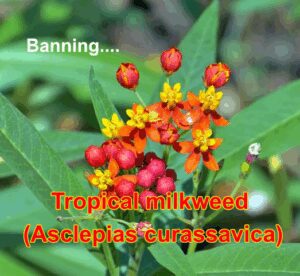
Tropical Milkweed (Asclepias curassavica)

Tropical Milkweed Watch List

Why Tropical Milkweed Is Now on Florida’s Watch List Tropical Milkweed (Asclepias curassavica) has officially been added to Florida’s Invasive Plant Watch List -as of June 2025- by the Florida Invasive Species Council. While not fully classified as invasive yet, this move signals urgent concerns for pollinator health and ecosystem balance. The Problem Tropical milkweed remains green year-round, unlike native milkweeds that go dormant. This disrupts monarch butterflies’ natural migration

Read More »

It's crazy Simple !

Small changes in habit create a huge impact in the environment.

Special announcement go here

Hi Diane & Gerry,

This is your Florida native plant garden page, where you can reivew documents relating the services we provide to your garden.  Your referral code is R255-21 (last name initial + account # + a hyphen + last two digits of the year you joined us). 

We hope this page has everything you need to help you manage your garden! If you can think of anything else, please make suggestions.

The 1.5% cashback reward program is back.  Contact us for more information.

Tropical Milkweed (Asclepias curassavica)

Tropical Milkweed Watch List

Why Tropical Milkweed Is Now on Florida’s Watch List Tropical Milkweed (Asclepias curassavica) has officially been added to Florida’s Invasive Plant Watch List -as of

Read More »

Winter 2024-2025:

Why Central Florida Winters Are Perfect for Garden Care?

Winter in Central Florida is the ideal season to tackle essential garden tasks and prepare for the upcoming growing season, which historically falls between June and September. Here’s how to make the most of this time: 

  1. Prioritize Weeding - Weeding should top your winter to-do list. If your garden’s weed situation rates above 3/5, winter weeding is a must to avoid overwhelming growth in the summer. Early preparation ensures a healthier and more manageable garden. 
  2. Refresh Your Mulch -Winter is also the perfect time to add or refresh your garden’s mulch. Mulch helps regulate soil temperature, retains moisture, and suppresses weeds—making it an essential tool for preparing your garden for the growing season. Aim for a 2-3 inch layer and keep it a few inches away from plant bases to prevent rot. 
  3. Plant with Confidence -Winter’s cooler temperatures offer a perfect window for introducing new plants to your garden. Planting now reduces transplant shock as plants transition from the controlled environment of a nursery to your yard. This gentler acclimation helps them adapt to new feeding, watering, and lighting conditions. 
  4. Prune Selectively -Many Florida native plants tolerate pruning during winter. However, each garden is unique. Shrubs/trees like Simpson’s Stopper and Walters Viburmnums, typically bloom in the late winter, so we highly recommend planning this task. Contact us for tailored advice on which plants in your landscape would benefit from pruning this season.  
  5. Optional: Cutting Back -While not always necessary, some gardeners prefer to cut back plants such as ornamental grasses or American Beautyberries in late winter. If this is your preference, we recommend waiting until closer to spring. 
  6. Managing Frost-Damaged Perennials -Frost damage may appear unsightly, but resist the urge to cut back perennials immediately. The burnt layer acts as a natural shield, protecting new growth underneath. Some plants, like Scorpiontail, and even non-natives such as Pentas, can regenerate leaves beneath the damaged exterior. Wait until winter has fully passed before pruning to avoid further harm. 


[gravityform id="3" title="true"]

It's crazy Simple !

Small changes in habit create a huge impact in the environment.